catalogued in 452 foods by the Phenol-Explorer database1
in cloves, top of the 100 foods with the most polyphenols1
in one day’s food of 36,037 adults across Europe3
More on the numbers
Polyphenols are among the most abundant micronutrients in the diet, and there are hundreds of them.2 Phenol-Explorer, a database run by researchers, collects their content in foods from several hundred publications: 502 polyphenols in 452 foods.1,6
The 100 richest foods range from about 15,000 mg per 100 g in cloves to 10 mg per 100 ml in rosé wine.1
In the EPIC study, 36,037 adults in several European countries described everything they had eaten in 24 hours. Average intake ranged from 584 mg a day (women in Greece) to 1,786 mg (men in Aarhus, Denmark), and 437 different polyphenols turned up.3
Where they are
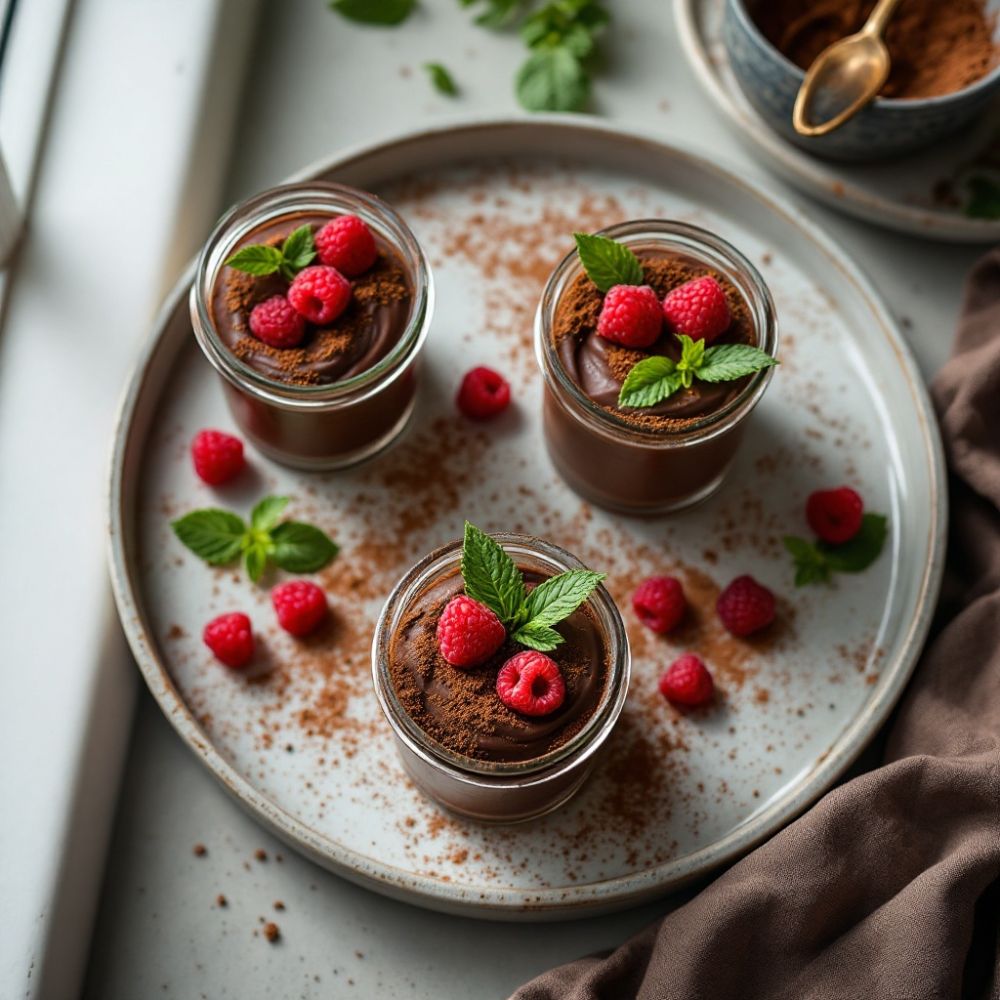
Per 100 grams: spices and dried herbs, cocoa, dark berries, nuts and olives.
- Cloves
- Dried herbs
- Cocoa
- Dark berries
- Flaxseed
- Chestnuts
- Hazelnuts
- Olives
- Artichokes
Per portion it looks different: across Europe, coffee, tea and fruit supply the most.3
More
The list of the 100 richest foods comes from Phenol-Explorer: spices and dried herbs first, then cocoa products, some darkly coloured berries, seeds such as flaxseed, nuts such as chestnut and hazelnut, and vegetables including olives and globe artichoke.1
Cloves are used by the pinch, so the same study also worked out the content per serving.1 In what people in Europe actually eat, coffee, tea and fruit are the main sources.3
How much a food contains also depends on how it was grown, stored and processed.2
What happens to them
Many reach the large intestine. Gut bacteria break them down there.
What that leaves depends on the polyphenol, and on the person.4
More
Whether a polyphenol is absorbed in the small intestine or travels on to the colon depends on its chemical structure.4 Absorption differs greatly from one polyphenol to the next, and the most abundant ones in the diet are not necessarily the best absorbed.2
In the colon, bacteria break them down into smaller compounds, many of which are then absorbed.4 Which bacteria and enzymes do this is still little described.4
In studies where people ate more of certain foods that contain polyphenols, the gut bacteria changed in some cases and not in others, depending on the food, how long it was eaten and the person.4
What is proven
For polyphenols, the EU has approved exactly two health claims. Here they are, with the conditions that come with them.
Olive oil polyphenols contribute to the protection of blood lipids from oxidative stress.8
Applies to olive oil with at least 5 mg of hydroxytyrosol and related compounds per 20 g. The effect comes with 20 g of that olive oil a day.
Cocoa flavanols help maintain the elasticity of blood vessels, which contributes to normal blood flow.9
The effect comes with 200 mg of cocoa flavanols a day, from a cocoa drink or dark chocolate that provides that much.
Everything else you read about polyphenols is still being researched. Nobody in the EU may promise it, and neither do we.
A cup of tea with dinner?
Polyphenols in tea and coffee lower how much iron the body takes up from the same meal.
If iron matters to you, keep tea and coffee apart from the meal.
More
In one trial with a bread meal, black tea cut iron absorption by 79–94 %, peppermint tea by 84 % and camomile tea by 47 %; cocoa and coffee inhibited it too.5
A week of dinners
Spices, herbs, olives or fruit in every dish. A list of ingredients, not a measurement.
-
 MondayChana Masala — Chickpea CurryCumin, coriander, turmeric, garam masala · 40 min
-
 TuesdayClassic Greek Salad (Horiatiki)Kalamata olives, dried oregano · 15 min
-
 WednesdayAzuki MinestroneFresh oregano, cumin, smoked paprika, bay leaf · 90 min
-
 ThursdayMoroccan Roast VegetablesCinnamon, cumin, ras el hanout, turmeric · 80 min
-
 FridayTuna Niçoise SaladKalamata olives, lemon · 25 min
-
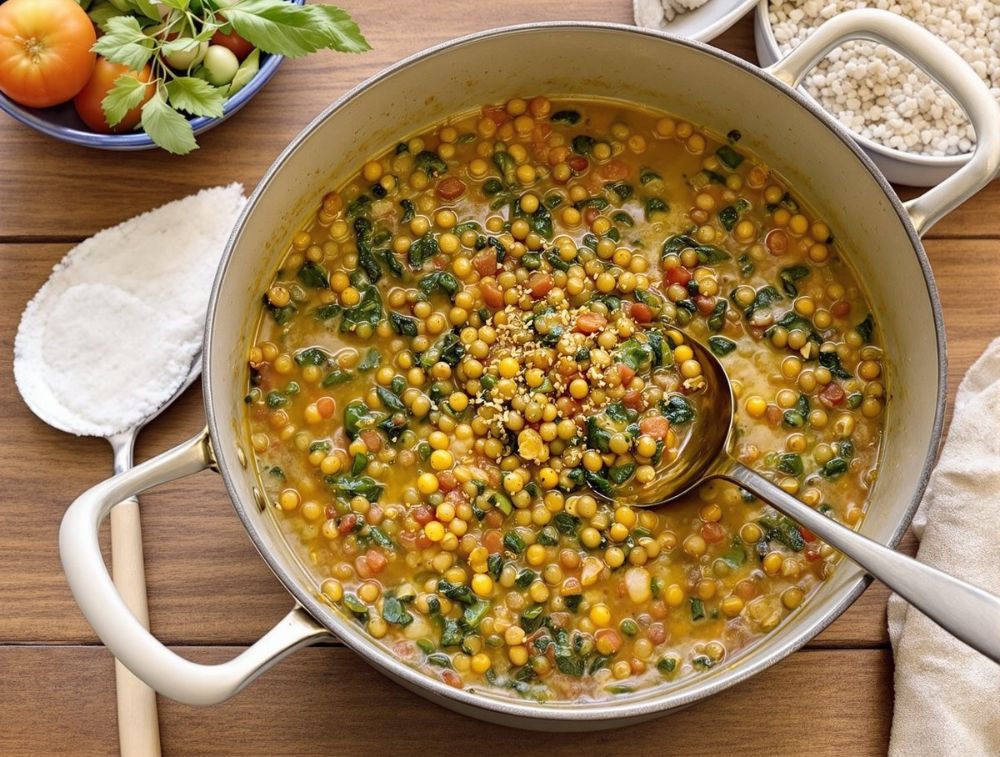
 SaturdaySpiced Red Lentil DalCinnamon, cardamom, cumin, fenugreek · 50 min
-
 SundayStrawberry, Tomato & Burrata SaladStrawberries, cherry tomatoes · 20 min
This page describes food and what studies measured. It is not medical advice.
Sources
Every number on this page comes from one of these.
- Pérez-Jiménez J, Neveu V, Vos F, Scalbert A. Identification of the 100 richest dietary sources of polyphenols: an application of the Phenol-Explorer database. Eur J Clin Nutr 2010;64 Suppl 3:S112–S120
- Manach C, Scalbert A, Morand C, Rémésy C, Jiménez L. Polyphenols: food sources and bioavailability. Am J Clin Nutr 2004;79:727–747
- Zamora-Ros R et al. Dietary polyphenol intake in Europe: the European Prospective Investigation into Cancer and Nutrition (EPIC) study. Eur J Nutr 2016;55:1359–1375
- Williamson G, Clifford MN. Role of the small intestine, colon and microbiota in determining the metabolic fate of polyphenols. Biochem Pharmacol 2017;139:24–39
- Hurrell RF, Reddy M, Cook JD. Inhibition of non-haem iron absorption in man by polyphenolic-containing beverages. Br J Nutr 1999;81:289–295
- Phenol-Explorer: database on polyphenol content in foods
- Tsao R. Chemistry and biochemistry of dietary polyphenols. Nutrients 2010;2:1231–1246
- Commission Regulation (EU) No 432/2012, list of permitted health claims made on foods: olive oil polyphenols
- Commission Regulation (EU) No 851/2013, authorising a health claim on cocoa flavanols